
Key Takeaways
- Bariatric surgery does more than help you lose weight. It can improve, and sometimes put into remission, serious health problems linked to obesity.
- Seven conditions that often get better after surgery are type 2 diabetes, high blood pressure, heart disease, unhealthy cholesterol, sleep apnea, urinary incontinence, and joint pain.
- Many patients take fewer medications after surgery, and some no longer need certain medications at all.
- You may be a candidate if your body mass index (BMI) is 40 or higher, or 35 or higher with a weight-related health problem.
- Selim Surgery Center is a trusted bariatric surgery provider in Lake Charles, serving patients across Southwest Louisiana, and you can request an appointment online to learn which option fits your health goals.
How Does Obesity Affect Your Overall Health?
Obesity is more than a number on the scale. Extra body weight puts strain on your heart, blood vessels, lungs, and joints. It can also change how your body handles blood sugar and fat. Over time, these changes raise your risk for many long-term health problems.
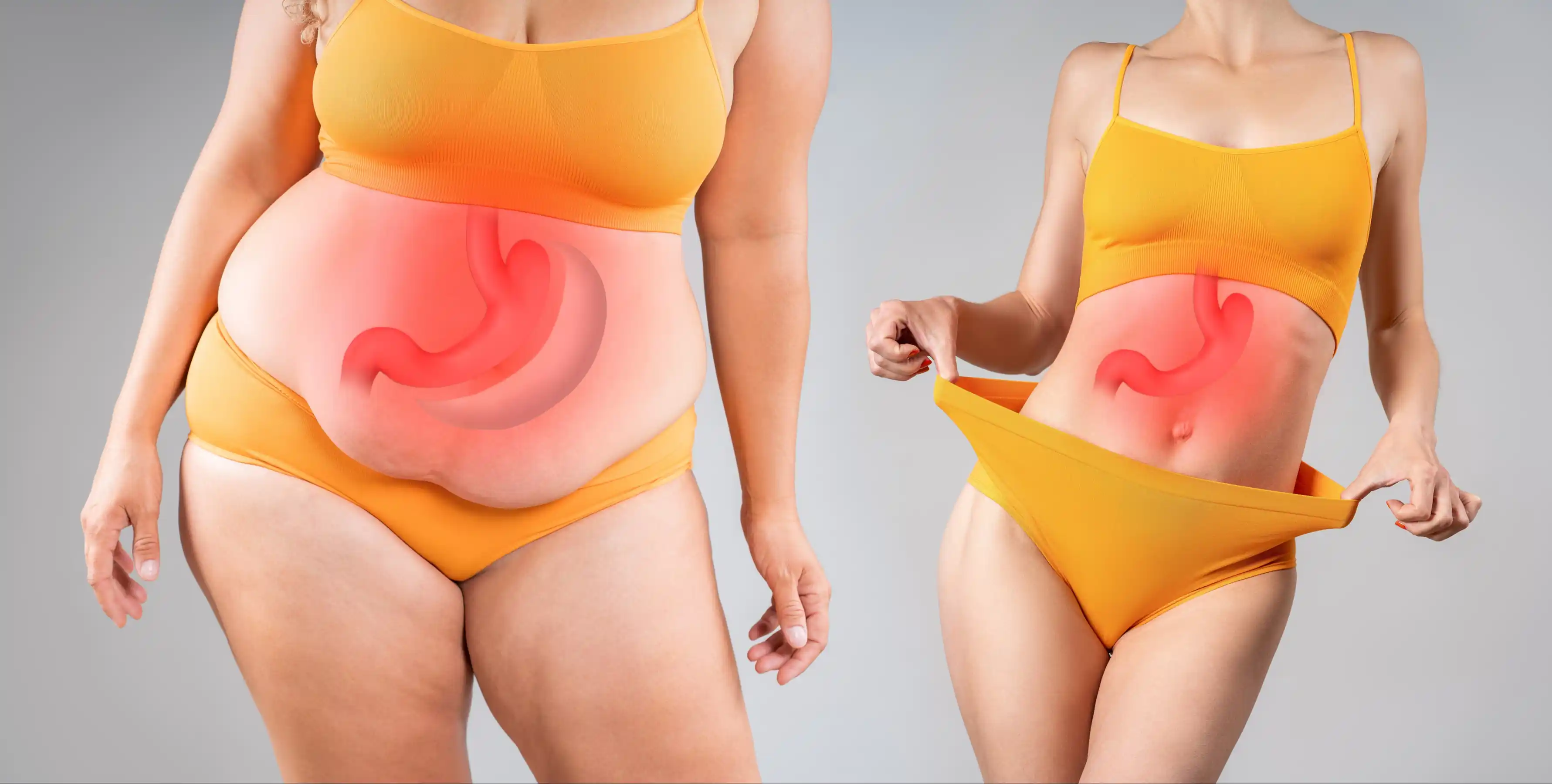
Bariatric surgery (also called weight-loss or metabolic surgery) is a procedure that changes your digestive system to help you lose weight. It works by limiting how much food your stomach can hold, changing how your body absorbs nutrients, or both. According to the American Society for Metabolic and Bariatric Surgery (ASMBS) 2025 fact sheet, it is the most effective and long-lasting treatment for severe obesity. It can also help prevent, improve, or eliminate many related diseases.
At Selim Surgery Center, bariatric surgery in Lake Charles is performed using minimally invasive laparoscopic and robotic techniques. Laparoscopic surgery uses a few small cuts and a thin camera instead of one large incision. This approach can mean less pain and a faster recovery than traditional open surgery.
7 Health Conditions Bariatric Surgery Can Help Improve
The National Institute of Diabetes and Digestive and Kidney Diseases (NIDDK) explains that weight-loss surgery can improve many obesity-related health problems. Here are the seven conditions on its list and what the research shows.
1. Type 2 Diabetes
Type 2 diabetes happens when your body has trouble using insulin to control blood sugar. Extra weight makes this problem worse. The ASMBS reports that a 2024 study found bariatric surgery led to better blood sugar control than lifestyle and medical treatment alone. Surgery patients also used less diabetes medicine and had higher rates of remission. Remission means the signs of the disease go away for a period of time.
2. High Blood Pressure
High blood pressure (also called hypertension) forces your heart to work harder with every beat. In a 2024 clinical trial cited by the ASMBS, surgery patients cut their blood pressure medicines by 80.7%. Patients who took medicine only cut theirs by 13.7%. Nearly half of the surgery patients (46.9%) no longer needed any blood pressure medicine at all.
3. Heart Disease
Heart disease is a leading health concern for people living with obesity. The ASMBS points to a 2017 study showing that people who had bariatric surgery had nearly half the risk of a severe heart event eight years later. That is compared with similar patients who did not have surgery.
4. Unhealthy Cholesterol Levels
Cholesterol is a waxy fat in your blood. Too much of the wrong kind can build up in your blood vessels and raise your risk of heart attack and stroke. The NIDDK lists unhealthy cholesterol as one of the problems that weight-loss surgery can help improve.
5. Sleep Apnea
Sleep apnea is a condition in which your breathing stops and starts again and again while you sleep. It can leave you tired during the day and put extra stress on your heart. Sleep apnea is one of the conditions the NIDDK says can improve after weight-loss surgery.
6. Urinary Incontinence
Urinary incontinence means leaking urine when you cough, laugh, lift, or exercise. Many people do not realize this common problem can be linked to weight. The NIDDK includes urinary incontinence among the conditions that may improve after surgery.
7. Knee, Hip, and Other Joint Pain
Your knees and hips carry your body weight with every step. The NIDDK notes that weight-loss surgery can ease knee, hip, and other body pain. Many people find they can move around more easily and be more active after surgery.
Health Conditions and Bariatric Surgery at a Glance
| Condition | How Extra Weight Plays a Role | What May Improve After Surgery |
|---|---|---|
| Type 2 diabetes | Makes it harder for the body to control blood sugar | Better blood sugar control, less diabetes medicine, and higher remission rates |
| High blood pressure | Makes the heart work harder | Fewer blood pressure medicines; some patients stop needing them |
| Heart disease | Adds strain to the heart and blood vessels | Lower risk of a severe heart event over time |
| Unhealthy cholesterol | Linked to fat buildup in blood vessels | Healthier cholesterol levels |
| Sleep apnea | Can affect breathing during sleep | Fewer sleep apnea problems |
| Urinary incontinence | Can lead to bladder leaks | Fewer leaks and better bladder control |
| Joint pain | Puts more stress on knees and hips | Less pain and easier movement |
The Connection Between Weight Loss and Disease Reduction
When you lose a large amount of weight and keep it off, your body has less strain to manage. According to the ASMBS, patients may lose as much as 77% of their excess weight in the first year, depending on the procedure. Studies have shown lasting weight loss five, 10, and even 20 years after surgery.
This kind of steady, long-term weight loss is what helps many weight-related conditions improve. The NIDDK also notes that many people take fewer prescription medicines as they reach a healthier weight, which can lower their health care costs.
The benefits may reach beyond these seven conditions, too. The ASMBS reports that a 2022 study found bariatric surgery patients had a 32% lower risk of developing cancer. They also had a 48% lower risk of dying from cancer, compared with adults who did not have surgery.
Long-Term Health Benefits of Surgical Weight Loss
For people with severe obesity, the NIDDK says weight-loss surgery can add years to their lives. Many patients also report a better mood and a higher quality of life after surgery.
Bariatric surgery is also safer than many people think. The ASMBS states that the risk of major complications is about 4%, and the risk of death is about 0.1%. These numbers are comparable to common operations like gallbladder removal and joint replacement.
Lasting success depends on more than the operation itself. The NIDDK explains that patients need to commit to:
- Healthy eating habits for life
- Regular physical activity
- Ongoing medical follow-up visits
- Taking extra vitamins and minerals as directed
Care That Continues After Weight Loss
After major weight loss, some people are left with loose, extra skin. Selim Surgery Center offers body contouring procedures under one roof, including a tummy tuck (abdominoplasty) to remove extra skin and fat from the midsection, as well as thigh lifts and arm lifts. This means the same trusted team can support you from your first visit through every stage of your transformation.
Who Is a Good Candidate for Bariatric Surgery?
According to the NIDDK guidelines for weight-loss surgery candidates, surgery may be an option for adults who have:
- A BMI of 40 or higher
- A BMI of 35 or higher with a serious weight-related health problem, such as type 2 diabetes, heart disease, or sleep apnea
- A BMI of 30 or higher with type 2 diabetes that is hard to control with medicine and lifestyle changes
BMI is a number based on your height and weight that helps estimate body fat. Newer 2022 guidelines from the ASMBS recommend surgery for anyone with a BMI over 35, even without other health problems. The best way to know if you qualify is to meet with a bariatric surgeon.
Why Choose Selim Surgery Center for Bariatric Surgery in Lake Charles?
You do not need to travel to Houston to find expert bariatric care. Dr. Niazy Selim, MD, PhD, FACS, is a dual-fellowship-trained, board-certified surgeon. He is known for his work in advanced laparoscopic and robotic techniques. Patients from Lafayette, Baton Rouge, Beaumont, and Houston travel to Selim Surgery Center for his care.
Patients choose Selim Surgery Center for:
- Advanced skill: Dr. Selim also performs bariatric revision and conversion surgery. These procedures repair or change a past weight-loss operation that did not work as planned.
- Personal attention: As an independently owned center, Selim Surgery Center focuses on each patient's needs without corporate pressure.
- Care under one roof: Weight-loss surgery, weight-loss injections, and cosmetic body contouring are all available in one place.
- A welcoming setting: The team offers special accommodations for veterans with post-traumatic stress disorder (PTSD) and anyone who feels anxious about medical care.
Improve Your Health, Not Just Your Weight, at Selim Surgery Center
Bariatric surgery can help improve type 2 diabetes, high blood pressure, heart disease, and other serious conditions linked to obesity. Selim Surgery Center gives patients in Lake Charles and Southwest Louisiana expert, personal care close to home.
Request an appointment online with Selim Surgery Center to talk with Dr. Selim about whether bariatric surgery at Selim Surgery Center is right for you.
Frequently Asked Questions
Where can I find bariatric surgery near me in Lake Charles?
Selim Surgery Center offers bariatric surgery at 215 W. Prien Lake Road in Lake Charles, Louisiana. The center serves patients from across Southwest Louisiana and Southeast Texas. You can request an appointment online or call the office at (337) 502-8706.
How do I choose between bariatric surgery doctors near me?
Look for a surgeon with advanced training in weight-loss surgery and experience with minimally invasive techniques. Ask whether they also handle revision surgery and long-term follow-up care. Dr. Selim is dual-fellowship-trained and offers laparoscopic and robotic procedures, along with revision and conversion surgery.
Can bariatric surgery cure type 2 diabetes?
Bariatric surgery can lead to remission of type 2 diabetes, which means the signs of the disease go away for a period of time. Research shows surgery patients have better blood sugar control and higher remission rates than patients who use lifestyle changes and medicine alone. Results vary from person to person.
Is bariatric surgery better than weight-loss injections?
It depends on your health, your goals, and how much weight you need to lose. The ASMBS calls bariatric surgery the most effective long-lasting treatment for severe obesity. Selim Surgery Center offers both surgical and nonsurgical options, so Dr. Selim can help you compare them during your visit.
Does insurance cover bariatric surgery?
Coverage depends on your plan and your health needs. Selim Surgery Center accepts most major insurance plans, including Aetna, Blue Cross Blue Shield, Cigna, Humana, Medicare, UMR, and UnitedHealthcare. The office staff can check your benefits and explain your costs before you move forward.
