
Key Takeaways
- Robotic and laparoscopic surgery use small incisions and specialized cameras instead of the large openings required in traditional open surgery.
- These minimally invasive techniques are generally linked to less post-operative pain, a lower risk of infection, and reduced scarring.
- Robotic technology gives a surgeon enhanced precision, vision, and control during complex general surgery procedures.
- Recovery timelines after minimally invasive surgery are often shorter than after open surgery, though every patient's healing process is different.
- Selim Surgery Center in Lake Charles offers robotic and laparoscopic general surgery, and patients can request an appointment to discuss which surgical approach may be right for them.
What Is the Difference Between Robotic and Laparoscopic Surgery?
Both robotic and laparoscopic surgery fall under the umbrella of minimally invasive surgery, meaning the surgeon operates through several small incisions rather than one large opening. A thin camera, called a laparoscope, transmits high-definition images to a monitor so the surgeon can see inside the body without needing a wide incision.
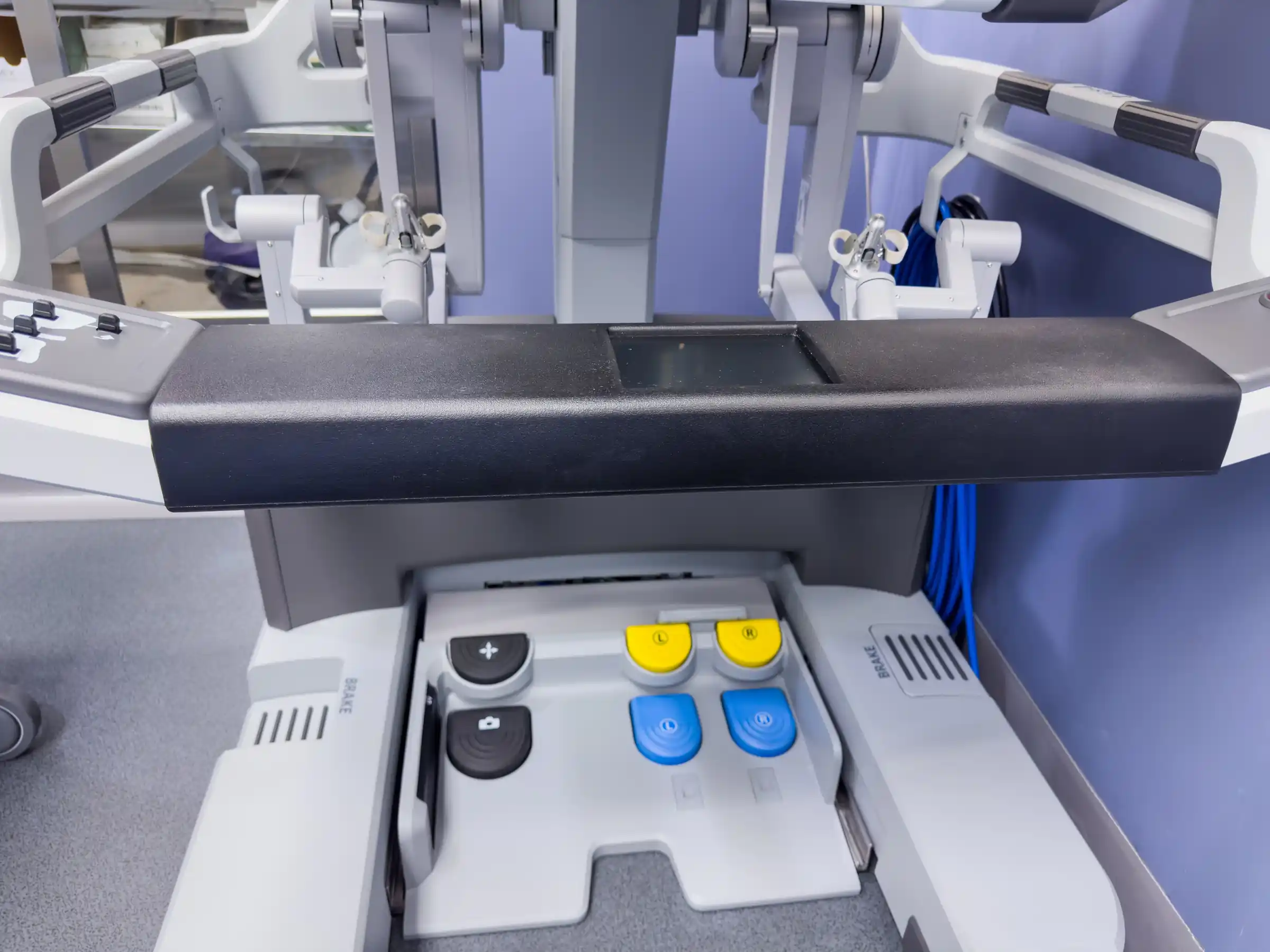
Robotic surgery builds on this same concept, but gives the surgeon a magnified, three-dimensional view along with instruments that offer an added degree of precision and range of motion. As an expert laparoscopic surgeon and robotic surgery specialist, Dr. Selim at Selim Surgery Center uses both approaches depending on the specific procedure and each patient's individual anatomy.
How Minimally Invasive Techniques Support Faster Healing
Traditional open surgery requires a long incision through skin, muscle, and tissue, which can mean more post-operative pain and a longer hospital stay. Minimally invasive techniques reduce trauma to surrounding tissue, which is part of why they are generally associated with a smoother recovery.
A Cochrane systematic review comparing laparoscopic and open hernia repair found that patients who had laparoscopic repair returned to their usual activities roughly a week sooner than those who had open surgery, along with less persistent pain and numbness. Every patient's case is different, so recovery expectations should always be discussed directly with your surgical team.
Common General Surgery Procedures Performed Robotically or Laparoscopically
Selim Surgery Center offers a wide range of general surgery procedures using minimally invasive techniques, including:
- Cholecystectomy, the surgical removal of the gallbladder
- Hiatal hernia repair and other hernia repairs, including umbilical and inguinal hernias
- Heller myotomy for achalasia
- Acid reflux surgery, such as laparoscopic fundoplication
- Exploratory laparoscopy and lysis of adhesions
- Colon resection and revisional GI surgery
Comparing Open Surgery and Minimally Invasive Surgery
| Factor | Traditional Surgery | Open, Robotic or Laparoscopic Surgery |
|---|---|---|
| Incision size | One larger incision | Several small incisions |
| Typical post-operative pain | Often higher | Generally lower |
| Scarring | More noticeable | Minimal |
| Hospital stay | Often longer | Frequently same-day or overnight |
| Surgeon visualization | Direct viewer | High-definition or 3D magnified view |
What to Expect During Recovery
After a robotic or laparoscopic procedure at Selim Surgery Center, most patients are closely monitored in a recovery suite as anesthesia wears off. Many patients can go home the same day, though some procedures may call for a short overnight stay depending on the complexity of the surgery and individual health factors.
Before you leave, the surgical team provides detailed instructions covering wound care, activity restrictions, pain management, and dietary guidance where relevant. Follow-up appointments are then scheduled to monitor healing and address any questions that come up during recovery.
Choose Robotic and Laparoscopic Surgery at Selim Surgery Center
Minimally invasive surgery can mean less pain, a shorter hospital stay, and a faster return to daily life for many patients. Dr. Selim's training as both a robotic surgery specialist and an expert laparoscopic surgeon allows Selim Surgery Center to offer this advanced approach across a wide range of general surgery procedures.
To learn more about whether robotic or laparoscopic general surgery is right for you, request an appointment at Selim Surgery Center today.
Frequently Asked Questions
What are the benefits of choosing a robotic surgery specialist?
Choosing a robotic surgery specialist gives you access to advanced surgical technology that can enhance a surgeon's precision, vision, and control. This can translate into smaller incisions, less blood loss, reduced pain, and a faster recovery compared to traditional open surgery.
Is robotic surgery safer than traditional laparoscopic surgery?
Both robotic and laparoscopic surgery are considered minimally invasive approaches with strong safety profiles when performed by an experienced surgeon. The right choice between the two often depends on the specific procedure, your anatomy, and your surgeon's clinical judgment.
How do I prepare for general surgery near me?
Your surgical team will provide detailed, personalized instructions, which may include guidance on fasting, adjusting medications, and arranging support for your recovery. It is important to ask questions during your consultation so you feel fully prepared on the day of surgery.
How can I schedule an appointment with a general surgeon near me in Lake Charles?
You can request an appointment online through Selim Surgery Center's secure scheduling system, or call the office directly to speak with the team about setting up a consultation.
